
Hair Care Routine For Women Over 50
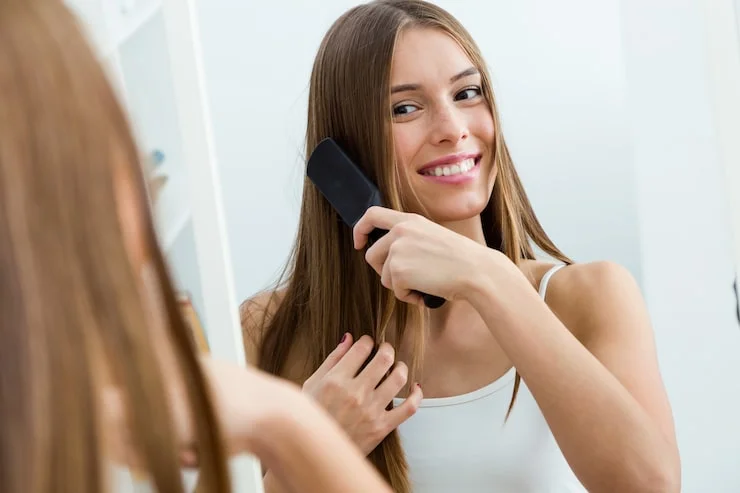
Hair changes after fifty. This is not a failure on your part. It is biology. For decades, your hair followed a predictable pattern. It grew, it shed, it grew back. Then something shifted. Perhaps you noticed more strands in your brush. Maybe your ponytail feels thinner than it used to. Your once-smooth hair might feel rougher, drier, or harder to style. These changes are real, and they are not your imagination.
The good news is that understanding what happens to your hair after fifty allows you to build a routine that works with your biology instead of against it. This guide walks you through every step, from washing to styling, with practical advice you can use today.
Why Your Hair Changes After Fifty?

The primary driver of hair changes during and after menopause is hormonal. Estrogen, which supports hair growth and keeps strands in their growing phase longer, declines significantly. As estrogen drops, the relative influence of androgens (male hormones present in all women) increases. This shift affects the hair follicle, an estrogen-sensitive tissue.
The result is a shorter growth phase. Your hair does not have as much time to grow long before it sheds. You may notice decreased density, thinner strands, and changes in texture. Some women find their hair becomes drier and more brittle. Others see their curl pattern change, sometimes becoming straighter or, conversely, developing unexpected waves.
Scalp oil production also decreases with age. Sebum, the natural oil that lubricates your scalp and conditions your hair from root to tip, becomes less abundant. This leads to dryness, flakiness, and increased sensitivity for many women. Gray hair compounds this because it often has a coarser texture and lacks the natural shine of pigmented hair.
Beyond hormones, years of accumulated exposure to coloring, heat styling, and environmental factors take their toll. The hair you have at fifty has lived through decades of hair care routine for women over 50.
Understanding these changes is not about accepting decline. It is about recognizing what your hair needs now, which is different from what it needed at thirty.
Read Also: How Often Should You Wash Curly Hair
The Foundation: Gentle Cleansing
Your washing routine sets the stage for everything else. After fifty, the goal shifts from deep cleaning to gentle maintenance.
How Often to Wash
There is no universal rule. Some women wash daily; others go three or four days between washes. The right frequency depends on your scalp's oil production, your activity level, and how your hair responds.
What matters is this: over-washing strips away the little sebum your scalp still produces, leaving hair drier and more vulnerable. If you have been washing daily out of habit, try stretching to every other day. Refresh your lengths between washes with a light mist of water rather than a full wash.
For those with fine or oily hair, daily washing may still be necessary. The key is using a gentle formula that cleans without stripping.
Choosing the Right Shampoo
Look for sulfate-free formulas. Sulfates create rich lather, but they also strip natural oils that aging hair desperately needs. If your scalp feels tight or itchy after washing, sulfates may be the culprit.
The shampoo should match your scalp condition, not just your hair type. If you have dandruff or flaking, a soothing formula with ingredients like niacinamide or panthenol can calm irritation. If you are concerned about thinning, look for shampoos designed to support density, though manage expectations. No shampoo alone will regrow hair.
The Washing Technique
Concentrate shampoo on your scalp, not your lengths. The suds that rinse through your ends are sufficient to clean them without stripping. Use the pads of your fingers, not your nails, to massage your scalp in small circles. This stimulates circulation and helps remove buildup without causing irritation.
Water temperature matters. Hot water feels luxurious, but it dehydrates your scalp and hair. Lukewarm water cleans effectively without the damage.
Conditioning: Where Real Change Happens
If there is one step where women over fifty see the most dramatic improvement, it is conditioning. Aging hair loses lipids and elasticity, making it feel rough and prone to tangling. Conditioner replaces some of what time has taken.
Application Rules
Apply conditioner from mid-length to ends, avoiding the roots unless your hair is extremely dry or coily. Roots do not need conditioning, and adding it there can weigh hair down and make it look flat.
Leave it on for at least a few minutes. This is not the time to rush. The ingredients need time to penetrate and coat the hair shaft. Use this moment to wash your body or shave. Let the conditioner do its work.
Rinse thoroughly. Residue left behind makes hair feel heavy and can irritate a sensitive scalp.
Lightweight Versus Rich Formulas
Fine hair needs lightweight conditioners that moisturize without weighing down. Thick or very dry hair can handle richer formulas with oils and butters. The goal is softness and manageability without sacrificing volume.
If you have been avoiding conditioner because you fear flat hair, reconsider. Skipping it increases friction, makes detangling harder, and actually causes more breakage over time. The solution is finding the right weight, not eliminating conditioning altogether.
Weekly Treatments
Once a week, consider a hair mask or deep conditioning treatment. These formulas are more concentrated than daily conditioners and address specific concerns like brittleness or loss of elasticity.
Look for ingredients like keratin, hyaluronic acid, or plant oils. These help rebuild the hair's structure and lock in moisture. Apply to clean, damp hair, leave on for the recommended time, and rinse well.
If your hair is fine, you may find masks too heavy. In that case, a lighter leave-in treatment can provide similar benefits without the weight.
Scalp Care: The Step Most Women Skip
Healthy hair grows from a healthy scalp. This principle becomes even more important after fifty when the scalp becomes drier, more sensitive, and more prone to flaking.
Why the Scalp Matters
The hair follicle lives beneath the scalp's surface. When the scalp is inflamed, dry, or clogged with product buildup, the follicle suffers. This can manifest as slower growth, increased shedding, or hair that simply looks lifeless.
A scalp serum or treatment addresses this directly. Unlike conditioners that coat the hair, scalp products deliver active ingredients to the skin itself. Look for lightweight, oil-free serums with ingredients like niacinamide, peptides, or gentle exfoliating acids like salicylic acid or AHAs.
How to Use Scalp Treatments
Apply to a clean, dry or damp scalp, depending on the product instructions. Part your hair in sections to ensure even coverage. Massage gently with your fingertips. Some treatments are leave-in; others need rinsing. Follow the directions.
Frequency depends on your scalp's needs. Once or twice a week is typical. If you have dandruff or flaking, a weekly exfoliating treatment can help without disrupting the skin barrier.
The Power of Massage
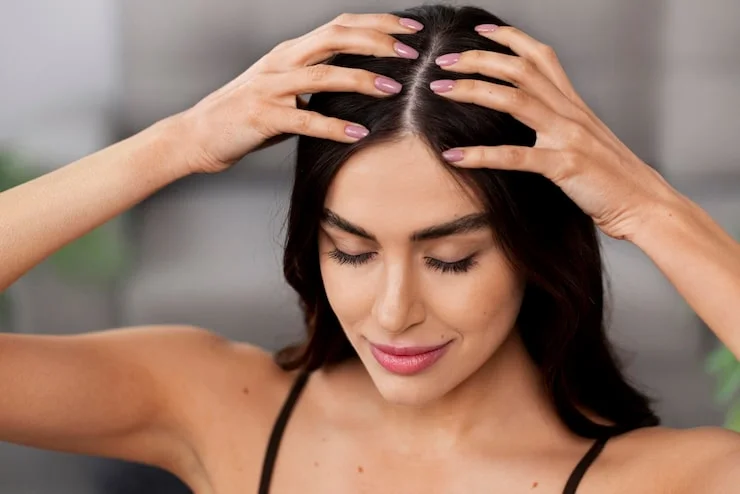
Even without a product, a simple scalp massage offers benefits. It stimulates blood flow to the follicles, which supports nutrient delivery and growth. It also helps distribute your scalp's natural oils along the hair shaft.
Spend one or two minutes massaging your scalp during your shower. Use the pads of your fingers and gentle circular motions. This small habit costs nothing and pays dividends over time.
Drying and Handling Wet Hair
Wet hair is fragile hair. The cuticle lifts, the bonds loosen, and strands stretch more easily. After fifty, when hair is already more brittle, this vulnerability increases.
The Right Way to Remove Excess Water
Never rub your hair vigorously with a towel. This roughs up the cuticle, creates tangles, and leads to breakage. Instead, squeeze water out gently or wrap your hair in a soft microfiber towel or cotton t-shirt. Press to absorb moisture rather than wringing.
Detangling Without Damage
Start at the ends and work upward. Brushing from the roots down pushes knots tighter and causes breakage. Hold the hair mid-length to reduce tension and use a wide-tooth comb or a detangling brush designed for fragile hair.
If you encounter resistance, slow down. Work through tangles with patience rather than force. A small amount of leave-in conditioner or detangling spray can help.
Air-Drying Versus Blow-Drying
Air-drying is gentler, but it is not always practical. If you do blow-dry, use the lowest heat setting that gets the job done and keep the dryer moving. Do not hold it in one spot. The constant motion prevents heat from concentrating and causing damage.
A nozzle attachment directs airflow and allows you to dry with intention rather than blasting your hair in all directions. This creates smoother results with less heat exposure.
Styling With Care
Heat tools are the biggest source of damage for most women. The solution is not to abandon styling but to do it differently.
Heat Protection Is Non-Negotiable
A heat protectant creates a barrier between your hair and the tool's surface. It reduces moisture loss and prevents the cuticle from cracking. Apply it to damp hair before blow-drying and to dry hair before using a flat iron or curling wand.
Spray or cream formulas work well. Choose one that suits your hair's thickness. Lightweight sprays for fine hair, richer creams for thick or coarse hair.
Lower Temperatures
You do not need the highest setting. Most styling can be accomplished at lower temperatures, especially with practice. Constant high heat weakens the protein structure of hair over time, leading to brittleness and hair care routine for women over 50.
Better Tools
Newer styling tools often have technology that distributes heat more evenly or uses infrared or ionic technology to reduce damage. If your flat iron is a decade old, replacing it may be a worthwhile investment in your hair's health.
Techniques That Protect
When blow-drying for volume, flip your head upside down and dry the roots first. This lifts hair away from the scalp and creates fullness. Once hair is about seventy to eighty percent dry, finish with a round brush for smoothness and shape.
Focus styling on the areas that need it most. Not every strand requires the same treatment. If your roots need volume but your ends are smooth, address them separately.
Ingredients to Avoid
Certain ingredients that were fine in your thirties may cause problems now.
Sulfates strip moisture that aging hair cannot afford to lose. Avoid them if your hair feels dry or brittle.
Heavy silicones and waxes coat the hair and create buildup. This weighs down fine hair, makes it look greasy, and can clog follicles if applied to the scalp. If you use silicones, choose water-soluble versions or clarify periodically.
Alcohol-based products dehydrate strands. This is particularly problematic for hair that already produces less oil. Check styling product labels for alcohol as a primary ingredient.
Cocamidopropyl betaine, a common sulfate alternative, can cause contact dermatitis in some women, leading to scalp itching and inflammation. If you experience unexplained scalp irritation, this ingredient is worth investigating.
Harsh chemicals in color or straightening treatments should be approached cautiously. If you color your hair, consider ammonia-free options. Space out chemical services to give your hair recovery time.
Lifestyle Factors That Support Hair Health
What you eat, how you sleep, and how you manage stress all influence your hair. This is not a marketing claim. It is basic biology. Hair follicles are among the most metabolically active tissues in the body, and they require consistent nutrition to function well.
Nutrition for Hair
Protein provides the building blocks for hair. Ensure you are eating adequate amounts daily. Biotin, zinc, and vitamin B6 support hair growth and pigmentation. Iron and vitamin D deficiencies can contribute to shedding. If you suspect a deficiency, ask your doctor for blood work rather than guessing.
A varied diet with plenty of vegetables, healthy fats, and lean proteins supports hair health more effectively than any single supplement. That said, some women find targeted supplements helpful, particularly during menopause when nutritional needs shift.
Stress and Sleep
Chronic stress pushes hair into the shedding phase prematurely. It also interferes with sleep, which is when the body repairs itself, including hair follicles. Prioritizing rest and stress management is not indulgent. It is part of hair care.
Gentle Habits
Small changes add up. Do not pull hair tightly into ponytails or buns. Avoid brushing when hair is wet and vulnerable. Use covered elastics or clips instead of tight bands. These habits reduce mechanical damage that accumulates over time.
You May Also Like: Why Is My Scalp Itchy But No Dandruff
When to See a Professional?
Some hair changes are normal. Others warrant attention.
If you notice sudden or dramatic shedding, patches of missing hair, or scalp pain and inflammation, see a dermatologist or trichologist. Conditions like female pattern hair loss, telogen effluvium, and frontal fibrosing alopecia occur more frequently in post-menopausal women and benefit from early intervention.
A professional can assess your scalp, identify any underlying conditions, and recommend treatments that go beyond what over-the-counter products can address.
Frequently Asked Questions
How often should I wash my hair after 50?
It depends on your scalp. If you have dry hair and scalp, washing two or three times a week is often sufficient. If your scalp is oily, daily washing with a gentle shampoo is fine. The key is using lukewarm water and avoiding harsh sulfates.
Will my hair grow back if I use the right products?
Products can improve the condition of the hair you have and create an environment that supports growth. They cannot reverse genetic or hormonal hair loss on their own. If you are experiencing significant thinning, consult a dermatologist about treatments that address the root cause.
Is gray hair harder to manage?
Gray hair often has a coarser texture and lacks the natural oils that give pigmented hair shine. It may feel drier and more wiry. The same principles apply: gentle cleansing, thorough conditioning, and scalp care. Some women find that purple shampoos help maintain brightness, though these can be drying if used too frequently.
Should I stop coloring my hair?
That is a personal choice. If you color, opt for gentler formulas and give your hair breaks between applications. Many women continue coloring successfully into their seventies and beyond with the right approach. The goal is minimizing damage, not necessarily eliminating color.
Can hair actually get healthier after 50?
Yes. While you cannot reverse hormonal changes, you can dramatically improve the condition of your hair. Many women find that by adjusting their routine, their hair becomes softer, more manageable, and shinier than it was before they made changes. The key is consistency and choosing products that match your hair's current needs, not the needs it had twenty years ago.
Conclusion
Your hair at fifty is not the same hair you had at thirty. It has different needs, different vulnerabilities, and different strengths. Building a routine around those realities is not about chasing youth. It is about caring for what you have with knowledge and intention.
Start with the basics. Gentle washing. Real conditioning. Scalp attention. Protection from heat and harsh ingredients. Be patient. Hair grows slowly, and changes take time to show. But with consistent care, you can have hair that feels healthy, looks good, and works with you rather than against you.