
Best Hair Care Routine For Thinning Hair
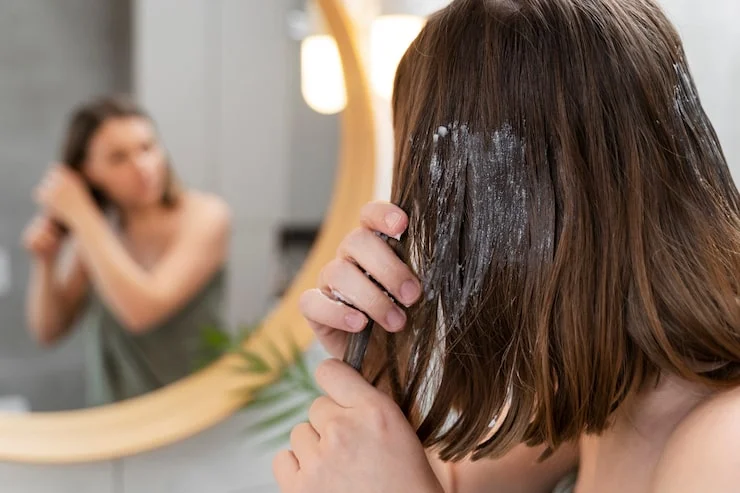
Thinning hair changes how you approach every step of your routine. Strands that were once resilient become fragile. Styles that held shape now fall flat by noon. The instinct to do more—wash more often, brush more vigorously, apply more product—often makes the problem worse. A routine built for thinning hair works differently. It focuses on protection over manipulation, gentle support over aggressive styling, and scalp health over everything else. What follows is a complete, step-by-step guide to building that routine, grounded in what hair specialists and best hair care routine for thinning hair.
Start With the Scalp, Not the Strands
Most people treat hair care as strand care. They focus on the visible part of the hair—the part they can see and touch. But hair grows from follicles embedded in the scalp. If the scalp environment is unhealthy, inflamed, or clogged, follicles struggle to produce strong hair. Dermatologists and trichologists consistently emphasize that a healthy scalp is the foundation of any routine for thinning hair.
This means cleansing the scalp properly rather than scrubbing the hair. When you shampoo, massage the product into the scalp with your fingertips, not your nails. Let the water carry the lather through the lengths of your hair rather than aggressively working shampoo into the ends. A gentle scalp massage before you shower can also help increase blood flow to the follicles and loosen buildup around the pores .
Exfoliation matters too, but it should be gentle. A weekly scalp exfoliation removes dead skin cells and product residue that can block follicles. Some people use a dedicated scalp scrub; others simply rely on a thorough but gentle shampoo massage. The goal is a clean, calm scalp—not a stripped one.
Read Also: How Often Should You Wash Curly Hair
Wash Less Often, but Wash Well
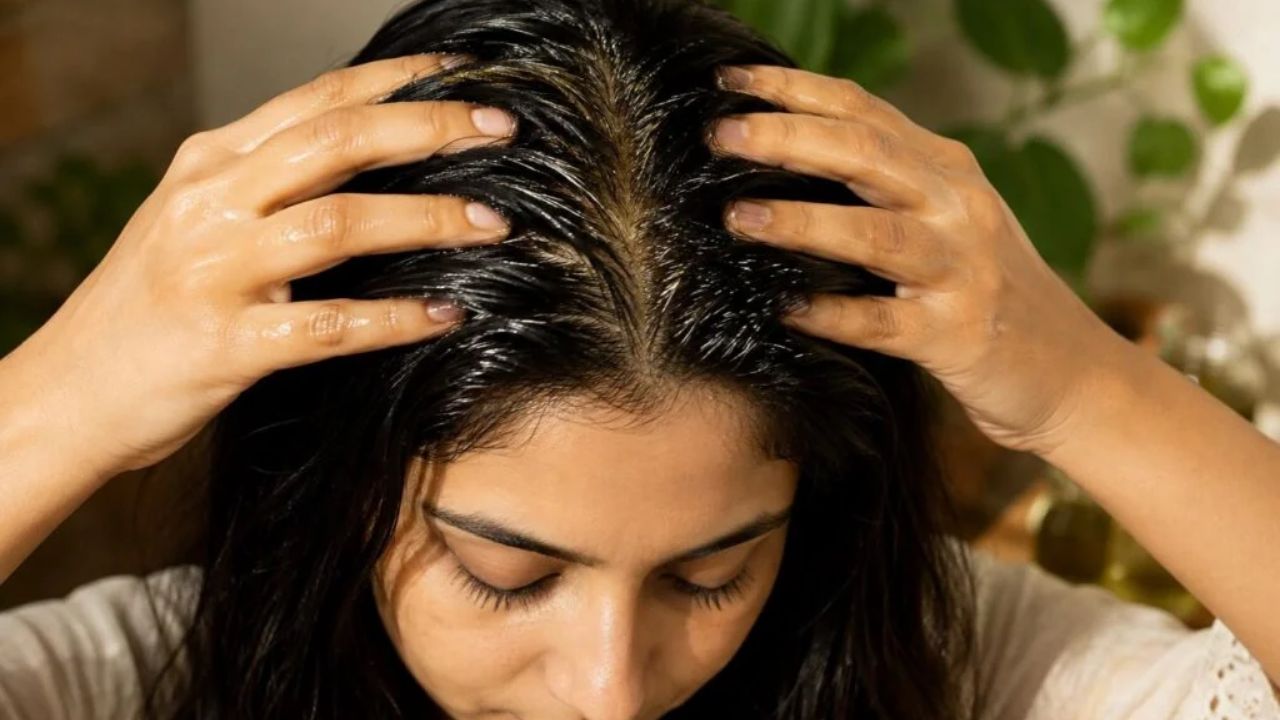
There is a persistent myth that thinning hair needs frequent washing to avoid looking greasy. In reality, overwashing strips the scalp of natural oils, which can leave hair dry, brittle, and more prone to breakage . For most people with thinning hair, washing every other day—or even every two to three days—is sufficient. If you exercise heavily or live in a humid climate, you may need to wash more often, but the principle remains: wash when the scalp needs it, not out of habit.
When you do wash, use lukewarm water. Hot water strips oils from both the scalp and the hair shaft, leaving strands drier and more fragile . Apply shampoo only to the scalp and roots, and let it rinse through the ends. Conditioner belongs on the mid-lengths and ends, not the scalp, where it can weigh hair down and contribute to buildup.
Product choice matters here. Sulfate-free shampoos are often recommended for thinning hair because sulfates can be harsh and stripping . Look for lightweight formulas that cleanse without leaving residue. Heavy, creamy shampoos and conditioners can coat fine strands and make them look flatter. If your hair tends to get weighed down easily, a reverse washing technique—conditioning first, then shampooing—can provide moisture without sacrificing volume at the root .
Handle Wet Hair Like It Is Made of Glass
Wet hair is fragile hair. When hair is wet, the cuticle layer lifts and the strand becomes more elastic and more vulnerable to stretching and snapping . For thinning hair, this vulnerability is magnified because there are fewer strands to distribute tension.
The first rule is simple: do not brush wet hair. If you must detangle, use a wide-tooth comb and work from the ends upward, gently. For straight hair, waiting until hair is mostly dry before combing is safer. For curly or wavy hair, a wide-tooth comb on damp hair is acceptable, but the motion should be slow and deliberate, never forced .
Drying matters just as much. Rubbing hair with a rough terrycloth towel creates friction that can break fragile strands. Instead, blot hair with a microfiber towel or a clean cotton t-shirt. Press the fabric against the hair to absorb water rather than rubbing it back and forth . If you have time, let hair air dry partially before introducing any heat.
You May Also Like: Why Is My Scalp Itchy But No Dandruff
Rethink Heat Styling
There is a common assumption that anyone with thinning hair should avoid heat tools entirely. The reality is more nuanced. Air drying, while gentler in theory, leaves the cuticle open and the hair vulnerable to friction and environmental damage for longer periods. For fine, thinning hair, a quick, controlled blow-dry with heat protection can actually be less damaging than hours of wet hair rubbing against clothing and pillows .
The key is control. Use the lowest heat setting that gets the job done. Keep the dryer moving—never hold it in one spot. Apply a lightweight heat protectant before any heat touches your hair. Water-based sprays are better than heavy creams or oils for thinning hair because they protect without weighing strands down .
When blow-drying for volume, start by rough-drying until hair is about 75 to 80 percent dry. Then use a round brush to lift hair at the root, directing the airflow against the direction the hair naturally falls. This creates lift that lasts longer than products alone can achieve . Finish with a cool shot to seal the cuticle and set the style.
Choose Products That Support, Not Suffocate
The product aisle is crowded with bottles promising thicker, fuller hair. Some of these products help. Many do not. The difference usually comes down to weight. Thinning hair is easily overwhelmed by heavy oils, thick creams, and waxy pomades. These products can make hair look greasy and flat within hours.
Lightweight volumizing sprays, root lifts, and water-based leave-in conditioners are better choices. Apply volumizing products at the root, not through the lengths, where they can drag hair down . If you use dry shampoo to extend time between washes, choose a clear formula rather than a powdery one that can leave visible residue on dark hair or build up on the scalp.
For styling, less is more. A lightweight mousse or root spray applied to damp hair before blow-drying provides more lasting volume than layering multiple products on dry hair. And at the end of the day, wash it all out. Leaving styling products in overnight can clog follicles and irritate the scalp.
Protect Hair While You Sleep

You spend a third of your life with your head against a pillow. For thinning hair, that friction adds up. Cotton pillowcases create drag that can weaken strands and contribute to breakage over time. Silk or satin pillowcases allow hair to glide rather than catch, reducing friction significantly .
If you have long hair, loosely gather it at the top of your head with a silk scrunchie or a soft fabric tie. Avoid tight buns or ponytails, which pull on the hairline and can cause tension damage over time. The goal is to keep hair contained without pulling it taut. A loose braid or a simple twist secured with a clip works well for most lengths.
Feed the Follicles From Within
No shampoo or serum can compensate for a diet that lacks the raw materials hair needs to grow. Hair is made of protein, specifically a protein called keratin. If you are not eating enough protein, your body prioritizes other functions and hair growth suffers . Lean meats, fish, eggs, beans, and legumes are all good sources.
Iron matters too. Iron carries oxygen to cells throughout the body, including the cells in hair follicles. Low iron levels—even without full anemia—have been linked to increased shedding . Vitamin C helps your body absorb iron from plant sources, so pairing iron-rich foods with citrus, berries, or peppers is a smart move. Zinc supports the production of keratin, and omega-3 fatty acids from fatty fish help reduce inflammation that can interfere with healthy hair growth .
The Mediterranean pattern of eating—rich in vegetables, fruits, whole grains, fish, and healthy fats—is consistently associated with better hair health. Rather than chasing individual supplements, building a diet around these foods gives your body the range of nutrients it needs .
Know When to See a Professional
A good routine can do a great deal. It can reduce breakage, improve the appearance of fullness, and create the best possible environment for the hair you have. But some causes of thinning hair require medical attention. If you notice sudden or patchy hair loss, scalp itching or redness, or shedding that continues for months without improvement, it is worth seeing a doctor or best hair care routine for thinning hair.
Thyroid imbalances, iron deficiency, hormonal changes, and certain medications can all contribute to hair thinning. A simple blood test can rule out or identify several of these causes. Treating an underlying condition is far more effective than any topical product alone.
Putting It All Together
A routine for thinning hair is not about doing more. It is about doing less, but doing it with intention. Wash gently and less often. Condition the ends, not the scalp. Handle wet hair with care. Use heat sparingly and with protection. Choose lightweight products. Protect hair while you sleep. Eat well. And pay attention to what your scalp and hair are telling you.
Results take time. Hair grows slowly—roughly half an inch per month under the best conditions—and visible changes in density and fullness typically take two to three months of consistent care . The routine that works is the one you can maintain without frustration, adjusting as your hair changes and as you learn what it responds to.