
Best Skincare Routine For Acne Prone Skin
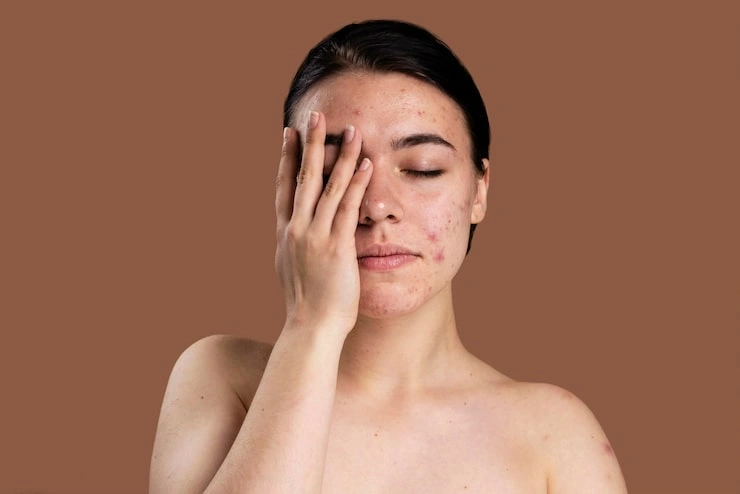
Look. I know how it feels. You wake up. You look in that mirror. And there it is. A new one. Right on your cheek or your chin. Or maybe three new ones. Your heart just sinks. You think, "What did I eat?" or "What did I touch?"
It is frustrating. It is annoying. And honestly? It hurts sometimes. Not just the pimple itself. But the way it makes you feel about best skincare routine for acne prone skin.
I have been there. Most people have. So do not think you are alone in this.
You have probably tried everything. Harsh scrubs that burned your face. Expensive creams that did nothing. Maybe you even tried that weird toothpaste trick your friend told you about. (Please do not do that again. It does not work. It just irritates your skin more.)
Here is the thing. You do not need a million products. You do not need to spend hundreds of dollars. You need a plan. A simple one. A plan that works with your skin, not against it.
This article is that plan.
We will go step by step. Morning. Night. What to buy. What to throw away. And some everyday habits that most people forget about.
It will take time. I will be honest with you about that. But if you stick with it, your skin will get better. Let us start.
First, Why Does This Even Happen?

You have oil glands under your skin. They are there to keep your face soft. But sometimes they go crazy. They make too much oil.
That oil mixes with dead skin cells. Now, dead skin cells are normal. We all shed them. But when they stick together and mix with that extra oil, they block your pores.
Once a pore is blocked, bacteria move in. They love that environment. They multiply. Your skin gets red. It swells up. That is a pimple.
Some people think acne is from being dirty. That is not true. In fact, if you wash your face too much, you make it worse. Why? Because you dry your skin out. And what does dry skin do? It makes more oil to fix itself. So you end up in this awful cycle.
Also, the sun does not help. I know it feels like the sun dries out your pimples. But the sun damages your skin. It makes the dark spots worse. And those dark spots stay long after the pimple is gone.
So, remember this. Your skin has a barrier. A protective layer. Your job is to keep that barrier healthy. Not to destroy it with harsh stuff.
4 Rules You Must Follow
Before we get into the steps, I want to give you four rules. Write them down if you have to. They will save you from making the same mistakes I made.
Rule one: Be gentle. Do not scrub your face like you are cleaning a dirty pan. Use your fingertips. Move them in circles. Do not use rough washcloths. Do not use those spin brushes every day. They are too harsh.
Rule two: Go slow. Do not buy ten new products and use them all on the same night. Your skin will freak out. It will get red and angry. Introduce one new product. Use it every other day for a week. If your skin is okay with it, use it daily. Then wait three weeks. After that, add the next one.
Rule three: Do not touch. I know it is hard. But do not pop your pimples. I mean it. When you pop them, you push the bacteria deeper. That causes more swelling. It also leaves scars. Those scars are permanent. A pimple goes away in a few days. A scar stays for months or years. It is not worth it.
Rule four: Be patient. This is the hardest one. You will not see changes in two days. You will not see changes in a week. It takes about one to two months to see real results. So do not give up after seven days. Keep going.
What To Do In The Morning?
Your morning routine is about protection. You are getting ready to face the world. Sun. Pollution. Dirt. Here are the steps.
Step One: Wash Your Face Gently
When you wake up, your face has oil and sweat from sleeping. You need to wash that off. But you need the right face wash.
Do not grab a bar of soap. That is too harsh. Look for a face wash that says "gentle" or "for sensitive skin." It should not make your face feel tight. That tight feeling is bad. It means you stripped all the good oils away.
Use lukewarm water. Not hot. Hot water dries you out. Put a little cleanser on your fingertips. Massage it into your face for about one minute. Rinse it off. Pat your face dry with a clean towel. Do not rub. Rubbing makes your skin red and angry.
If you have oily skin, pick a gel cleanser. If your skin feels dry, pick a cream cleanser. If you are in the middle, pick a gel cleanser too.
Step Two: Toner (You Can Skip This)
Toner is not required. But it can help. It balances your skin after washing. Some cleansers change the pH of your skin. Toner brings it back.
Here is what I will tell you. If you buy a toner, make sure there is no alcohol in it. Alcohol burns. It dries your skin out. Then you are back to that bad cycle.
Look for toners with green tea or rose water. They calm your skin. Put some on a cotton pad. Wipe it gently across your face. Let it dry for thirty seconds.
If you do not want to buy a toner, just skip this step. It is fine. Your routine will still work.
Step Three: Vitamin C Serum
This is a good step to add. Vitamin C does two things. First, it protects your skin from the sun. Second, it helps fade those dark spots that old pimples leave behind.
Those dark spots are annoying. They hang around for so long. Vitamin C tells your skin to stop making extra pigment. It basically helps you heal faster.
Buy a serum with ten to fifteen percent vitamin C. Do not buy the twenty percent one if you are new to this. It might sting. Start lower.
Put three drops on your fingertips. Press it into your face. Do not rub it in. Just press it in gently. Wait two minutes before you put on your moisturizer.
Step Four: Moisturize
This is where people mess up. They have oily skin. So they think they do not need moisturizer. Wrong. If you skip this, your skin gets dry. Dry skin makes more oil. More oil equals more pimples.
You need a moisturizer. But pick a light one. Look for the word "gel" or "water cream." These are thin. They absorb fast. They do not leave you looking greasy.
Look for two ingredients. Hyaluronic acid holds water in your skin. Niacinamide calms redness. Both are excellent for acne prone skin.
Use a pea-sized amount. Dot it on your forehead, cheeks, nose, and chin. Rub it in with upward motions. Your skin should feel soft. Not sticky. If it feels sticky, you used too much. Use less tomorrow.
Step Five: Sunscreen. Do Not Skip This.
I am going to say this loud and clear. Do not skip sunscreen.
Your acne treatments make your skin more sensitive to the sun. The sun makes your dark spots darker. It damages your skin barrier. It causes wrinkles later.
Get a sunscreen with SPF 30 or higher. Look for "broad spectrum." This means it blocks both UVA and UVB rays.
Mineral sunscreens are great for acne. They have zinc oxide. They sit on top of your skin and bounce the sun away. They do not clog your pores.
Chemical sunscreens absorb into your skin. Some people with acne react badly to them. So try a mineral one first.
You need a full finger length for your face and neck. Put it on fifteen minutes before you go outside. If you stay outside, reapply every two hours.
What To Do At Night?
Nighttime is for fixing. Your skin repairs itself while you sleep. So give it the tools it needs.
Step One: Wash Your Face Twice
This is called double cleansing. You wash once with oil. Then you wash again with your regular face wash.
Why oil? Oil attracts oil. The oil cleanser sticks to the sunscreen and makeup on your face. It lifts them off. Then your regular cleanser finishes the job.
Put the oil cleanser on your dry face. Massage it in for one minute. Add water. It turns milky. Rinse it off. Then use your gentle cleanser from the morning. Wash for one minute. Rinse.
If you did not wear makeup or sunscreen, you can skip the oil step. But most people should do this. It prevents clogged pores.
Step Two: Use Your Treatment
This is the most important step at night. This is what actually fights your acne. You have a few choices.
Retinol: This is vitamin A. It makes your skin cells turn over faster. New cells come up. Old cells fall away. This unclogs pores. Retinol also helps with dark spots and fine lines. It is one of the best things you can use.
Start with a low strength. 0.25 percent is good. Use it every other night for two weeks. Then use it nightly if your skin is fine. Your skin might get worse before it gets better. This is purging. It is normal. It lasts two to four weeks. Do not stop. Push through it.
Benzoyl Peroxide: This kills acne bacteria. It is great for those red, angry pimples. You can buy it in 2.5 percent or 5 percent. Do not buy the 10 percent. It does not work better. It just burns more.
Put a thin layer all over your face. Not just on your pimples. It prevents new ones. Be careful with your towels. It bleaches fabric. Wash your hands after you put it on.
Salicylic Acid: This dissolves the dead skin inside your pores. It is great for blackheads. You can use it every night. It is gentler than retinol. You will see results in about two weeks.
Which one should you pick?
If you have blackheads, pick salicylic acid. If you have big red pimples, pick benzoyl peroxide. If you have deep painful cysts, pick retinol.
Do not use retinol and benzoyl peroxide at the same time. That is too much for your skin. Use them on different nights. Or use benzoyl peroxide in the morning and retinol at night.
Step Three: Moisturize Again
Now you need to moisturize again. Your skin lost moisture during the day. Your treatment might have dried it out. So give it a good dose of moisture.
Your night cream can be a little thicker than your day cream. Look for ceramides. They rebuild your skin barrier.
Use a bit more than you did in the morning. About a pea and a half. Massage it in. Pay attention to the dry spots on your cheeks and chin.
Do not skip this step. I know I keep saying it. But it is so important.
Step Four: Spot Treatments For Active Pimples
Spot treatments are for those individual pimples that are already there. You put them only on the pimple. Not on your whole face.
Sulfur spot treatments are good. They dry out pimples. They smell weird but they work.
Tea tree oil also works. But you must dilute it. Do not put pure tea tree oil on your face. It will burn. Mix one drop with ten drops of jojoba oil. Put that on your pimple.
Use a cotton swab to apply. Just touch the pimple. Let it dry. Wash it off in the best skincare routine for acne prone skin.
Things To Do Once A Week
These are extra steps. Do them once or twice a week only.
Exfoliate Gently
You need to remove dead skin cells. But do not use scrubs. Scrubs have little beads or particles. They scratch your skin. Those tiny scratches let bacteria in. Then you get more pimples.
Use a chemical exfoliant. This sounds scary but it is not. Glycolic acid or lactic acid dissolve dead cells. They are gentle.
Use a lactic acid exfoliant once a week. Put it on after cleansing. Leave it for five to ten minutes. Rinse it off. Then put on your moisturizer.
Do not exfoliate on a night you use retinol. That is too much for your skin.
Use A Clay Mask
Clay masks soak up extra oil. They are great for summer or if you have oily skin.
Put a thin layer on your face. Avoid your eyes. Leave it for ten minutes. Do not wait until it cracks. That means it is too dry. Rinse with warm water. Gently wipe it off.
Follow with your moisturizer.
Ingredients To Throw Away Right Now
Check your products. If you see these things, throw them out. They are not helping you.
Alcohol: Some products have alcohol to make them feel light. But alcohol dries your skin. You know what happens then. More oil. More acne. Look for "alcohol denat" on the label. Avoid it.
Fragrance: Fragrance irritates your skin. It causes redness. It does nothing for your acne. Buy fragrance-free products. "Unscented" is not the same. Unscented products still have fragrance to hide other smells. Look for "fragrance-free."
Essential oils: These are natural but not always safe. Lemon oil and orange oil can burn your skin in the sun. Lavender oil is an irritant. Skip them.
Sulfates: Sulfates make products foam up. Sodium lauryl sulfate is a common one. It strips your natural oils completely. Then your skin overproduces oil to fix it. Look for sulfate-free cleansers.
Comedogenic oils: Some oils clog pores. Coconut oil is a big one. Mineral oil too. Cocoa butter and wheat germ oil are also bad. These cause blackheads. Avoid anything that says "comedogenic" on the label.
Your Daily Habits Matter Too

Your routine is not just about what you put on your face. It is about how you live.
Change your pillowcase. Your face presses into it every night. Oil and bacteria build up on it. Change it every week. Change it twice a week if you can. Use cotton pillowcases.
Wipe your phone. Your phone touches your face. It carries germs. Clean your phone screen every day. Use a microfiber cloth. Do not use alcohol on your phone screen. It damages it.
Wash your makeup brushes. Dirty brushes hold bacteria. They transfer that bacteria to your face. Wash them weekly. Use mild shampoo. Let them dry fully.
Drink water. It sounds simple. But water keeps your skin hydrated from the inside. Drink eight glasses a day. Your skin will look healthier.
Manage stress. Stress makes your body produce hormones. Those hormones tell your skin to make more oil. More oil equals more breakouts. Take a walk. Breathe deeply. Relax your shoulders. Your skin notices.
Pay attention to food. Dairy causes breakouts for some people. Sugar raises your blood sugar. That causes more oil production. Pay attention to your skin after you eat. If you see a pattern, try reducing that food.
Build Your Routine Slowly
Do not buy everything today. That is a mistake. Build your routine over time.
Week one: Buy a gentle cleanser and a moisturizer. Wash your face morning and night. Moisturize after each wash. That is it. Just do that for one week.
Week two: Add sunscreen in the morning. Put it on after your moisturizer. Keep doing the cleanser and moisturizer at night.
Week three: Add your active treatment. Pick salicylic acid or benzoyl peroxide. Use it every other night. See how your skin handles it.
Week four: If your skin is fine, use the active treatment nightly. Start double cleansing at night. Oil cleanser first. Then your regular cleanser.
Week five: Add vitamin C in the morning. Put it on before your moisturizer. Use it every other morning. Then daily if your skin is okay with it.
Week six: Add weekly exfoliation. Use your chemical exfoliant once a week. Skip your treatment on that night.
Week seven: Think about retinol. If your acne is not improving, try retinol. Start with it twice a week. Use your other treatment on the other nights.
Week eight: Look at your skin. What got better? What is still there? Adjust your routine based on that.
Mistakes People Make
I see these mistakes over and over. Do not make them.
Using everything at once. Your skin cannot handle it. It gets angry. It gets red. Add one product. Wait three weeks. Then add another.
Popping pimples. Do not do it. I know you want to. But it makes things worse. It spreads bacteria. It leaves scars. Just let it heal.
Washing too much. Twice a day is enough. If you wash more, you dry out your skin. Dry skin makes more oil. More oil equals more acne.
Skipping moisturizer. I said this before. I will say it again. Do not skip it. Everyone needs moisture. Even oily skin. Pick a light gel.
Expecting fast results. This takes time. Give it eight weeks. Take photos. Compare them. You will see progress.
Forgetting sunscreen. This is the biggest mistake. Your treatments make your skin sensitive. Sun makes dark spots worse. Use sunscreen every day.
Changing routines too often. Stick with one plan for two months. Then decide if it works. Changing weekly confuses your skin.
What If Nothing Helps?
Sometimes you do everything right. You follow the plan. You avoid bad ingredients. But your acne stays the same. What then?
First, be realistic. No one has perfect skin. Small breakouts are normal. A few pimples now and then are not a big deal.
But if you have big, painful cystic acne, you need to see a doctor. A dermatologist can help. They have prescription treatments.
Clindamycin is a prescription antibiotic. It kills bacteria. Tretinoin is a stronger retinol. It works faster. Spironolactone is for hormonal acne in women.
There is no shame in seeing a doctor. Acne is a medical condition. It is not your fault. Get the help you need.
FAQs
How long until my skin clears?
Most people see change in four to eight weeks. Some see it sooner. Some take three months. Stick with it.
Can I mix retinol and benzoyl peroxide?
Yes. But not at the same time. Use benzoyl peroxide in the morning. Use retinol at night. If your skin gets red, use them on different days.
How often should I exfoliate?
Once a week. Twice if your skin is tough. Do not do it daily. You will damage your barrier.
Does diet really matter?
For some people, yes. Dairy and sugar are common triggers. Watch your skin after eating these. If you see a pattern, reduce them.
Can I wear makeup?
Yes. Choose makeup that says "non-comedogenic." It will not clog your pores. Clean your brushes often. Remove all your makeup at night.
What is purging?
Purging happens with retinol and exfoliating acids. Your skin pushes out all the hidden pimples. It looks like your acne is worse. This lasts two to four weeks. Then your skin clears.
Let Us Wrap This Up
Clear skin is not a dream. It is possible. You do not need a complicated routine. You need consistency.
Here is the summary.
Wash your face twice daily. Morning and night. Use a gentle cleanser. Do not skip moisturizer. Wear sunscreen every single day. Use an active treatment at night. Choose one based on your acne type. Add new products slowly. Avoid alcohol and fragrance. Change your pillowcase. Drink water. Be patient.
That is it. That is the plan.
Start today. Do the morning routine tomorrow. Add steps slowly. By the time two months pass, you will see real results.
Be kind to your skin. It does a lot for you. It protects you every day. Treat it with care.
And be kind to yourself too. Acne does not define you. You are so much more than your skin. You are worthy and valuable no matter what your face looks like.